Press release: AI-Driven Patient Detection Surfaces Approximately 1,200 Likely-Undiagnosed GEP-NET Patients in UK Primary Care
Volv Global applied machine learning to 24M UK primary care records, surfacing ~1,200 undiagnosed GEP-NET patients, 5...


Routinely coded as IBS and treated for years before NET investigation.

Often attributed to menopause or anxiety.
A hallmark of carcinoid syndrome in metastatic functional NETs, mimicking IBD and other GI conditions.

Incidental discovery on imaging for unrelated indications accounts for ~30–40% of GI-NET diagnoses, reflecting indolent growth and the diagnostic gap.
Non-specific symptoms leading to endocrine, haematological, and GI workup before NET diagnosis.





Volv Global applied machine learning to 24M UK primary care records, surfacing ~1,200 undiagnosed GEP-NET patients, 5...
GEP-NETs are among the most diagnostically elusive tumours in oncology. This case study shows how machine learning ap...

Volv Global at Frontiers Health's panel on AI & biomarker science translating complex biological signals into cli...
Volv Global CEO Christopher Rudolf will speak at the DREAMS Neuromuscular Disease AI Webinar
Volv Global at the 25th Annual NEALS Meeting, presenting new research on early identification of ALS using advanced M...
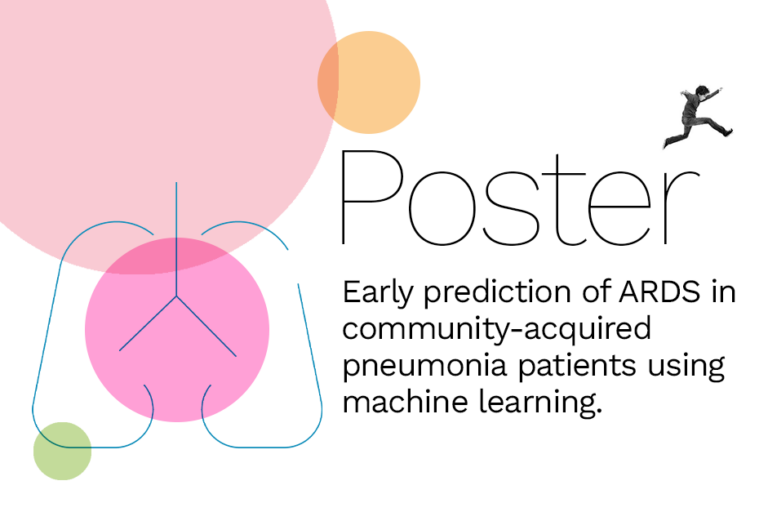
Presenting new research on whether a machine learning model can flag which patients with CAP are most likely to progr...
The next useful thing AI does in solid tumour care is about timing, not detection. The patient must reach the right t...

Results for the model flagging early ARDS risk in pneumonia will be presented at ERS Congress 2026.

Volv Global joins Innovaud, One Nucleus & ARC West London to explore innovation and investment opportunities acro...
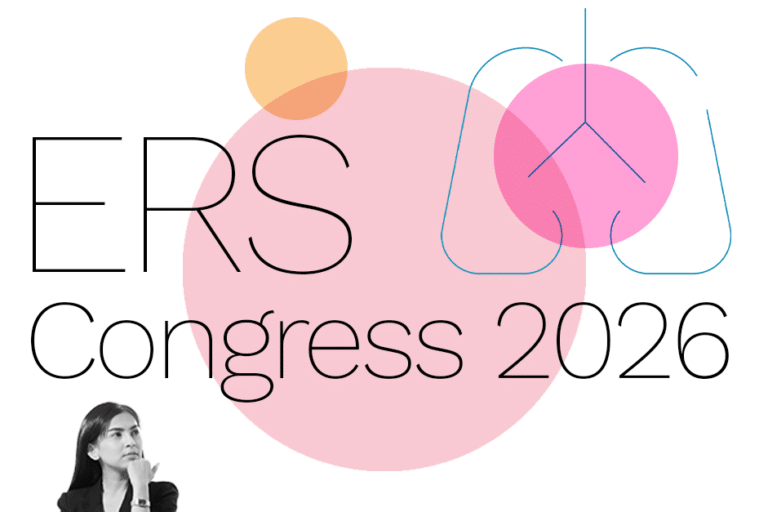
Volv Global at ERS Congress 2026, presenting new research in collaboration with CSL Behring: Can We Catch ARDS Before...

AI Innovation in Real-World Evidence & Data Analytics Volv Global has been selected as a finalist in the 2026 Fie...
Volv Global applied machine learning to 24M UK primary care records, surfacing ~1,200 undiagnosed GEP-NET patients, 5...
ASCO 2026 produced landmark oncology data. The question no one asked from the podium: can clinical infrastructure get...

Drive For Change white paper: three paradigm shifts to unlock orphan drug development