As our commemoration of Rare Disease Day 2026, we are pleased to present a guest article by Jessica Lynn at Rareatives.
Introduction
Rare Disease Day highlights the voices, stories, and experiences of millions of people living with rare conditions worldwide. Awareness plays a critical role in improving diagnosis, research, and support for the rare disease community. In this guest article, Jessica Lynn, founder of Rareatives, reflects on her personal journey and why raising awareness remains one of the most powerful acts of advocacy.
Awareness is an Act of Love
Six and a half years ago, I had almost no idea that the rare disease community existed—despite having had a rare childhood illness myself, Kawasaki disease. I only remember flashes of my experience: hiding under the covers in the hospital thinking doctors couldn’t see me, the frequent blood draws that spiked my fear of needles far into adulthood, cardiac testing to ensure my heart wasn’t affected.
But I recovered and, frankly, never thought about Kawasaki disease again, until my first job as a rare disease writer. I came onto the job passionate about writing and learning about a subject I didn’t know anything about. Every day, I would scroll through the long list of diseases on the website to read about each one. When I came across Kawasaki disease, I was momentarily stunned. Suddenly, I felt as though I had unlocked the key to my health in a way I had never expected.
You see, I was never a healthy child growing up. I was plagued by ear infections nearly any time I entered the water, leading to tubes being placed in my ears and a custom-fitted ear plug. I was frequently sick, with even simple colds leading me to miss school for a week or more at a time. Bronchitis and I knew each other on a deeply intimate level. My tonsils and adenoids were removed as an attempt to improve my health. But I felt little reprieve. Even in college, after contracting mononucleosis and bronchitis and the flu in just a few months—“It’s not even flu season,” a nurse told me. “Normally we never see cases of the flu right now.”—I asked my doctor if I must be immunocompromised in some way because the cadence at which I got sick was relentless and exhausting.
Learning about the rarity of Kawasaki disease was the first moment where I wondered if there was something to this disease I had as a child, some underlying element of the disease that was shaping my health as an adult. At the same time, it struck me that the rarity meant that, if a connection existed between my current health and past illness, nobody might know it.
Launching into exploring my own health journey, and hearing the multitude of stories others in the rare disease community had to share, eventually led me to one of my most important and formative roles: the founder of Rareatives, a rare disease publication designed to uplift the voices of the rare disease community. And in Rare Disease Month, and especially on Rare Disease Day, this mission is more important than ever.
A Lack of Rare Disease Awareness
When I reflect on my health journey through childhood to now, I recognize that I have been extremely privileged in what I’ve gotten from the healthcare system. I grew up in an area with access to doctors and specialists. My pediatrician diagnosed Kawasaki disease fairly quickly after my parents brought me into his office. I have always had strong insurance and have never had to argue with insurance to cover my care. While I have experienced medical gaslighting—one physician, when I spoke about my hypermobility, told me I should just lose weight; another stared at my immune bloodwork findings, which showed I had low antibodies for pneumococcal and streptococcal bacteria, and told me I probably just had allergies—I have been lucky enough to gain access to other physicians or specialists who believe me.
And I cannot say this enough: I am an outlier.
Throughout my time at Rareatives, and in my prior role, I’ve spoken to hundreds of patients and family members. I’ve attended conferences; I’ve walked with advocates to meet with legislators on Capitol Hill; I’ve spoken on webinars and led writing workshops. And in those moments, I have heard how many people:
- Fight with insurance for coverage of important medical supplies or nutrition support
- Had physicians who treated them like guinea pigs rather than like people
- Have heard, “You’re lying” or “You can’t possibly be feeling that”
- Must travel hours to access specialty care, or even effective primary care physicians
- Wait months at a time to get an important appointment, missing out on potentially life-saving care
Some of these issues are systemic; others are educational. As many people I speak to say, “We understand physicians cannot know of every disease in existence.” But these rare diseases are often left out of medical conversations, not taught in medical schools, or are so newly discovered that the information itself is simply lacking. For many physicians, the first patient they come across with a rare disease may be the only one they come across with that condition in their entire career.
Unfortunately, the lack of awareness or understanding can have devastating consequences for the people who are living with these rare conditions. It takes, on average, 4.7 years for someone to receive a rare disease diagnosis, but can take up to ten years or longer. During that time, people might be treated with drugs that can harm their health, experience anxiety or depression, or spend a significant amount of money pursuing specialist help.
Beyond that, people with rare conditions and their families often face stigma or outright rejection from the very medical system meant to support them. Through interviews, I’ve heard experiences like:
- A mom whose doctor said, “Your son is just mentally retarded. Why would anybody care about your disease? It affects so few people.”
- A woman with a rare muscular disease who heard from a pharmaceutical company, “We know what we could do for Gabby, but it isn’t cost-effective.”
- A mom who was told, “You baby her too much,” when she expressed concern about her daughter’s health.
- A woman whose doctor physically tried to induce a seizure with no idea how to treat her.
To me, none of this is acceptable, but we have a chance to fix it. To do that, we have to work together—and the perfect chance to start? Rare Disease Day.
Rare Disease Day
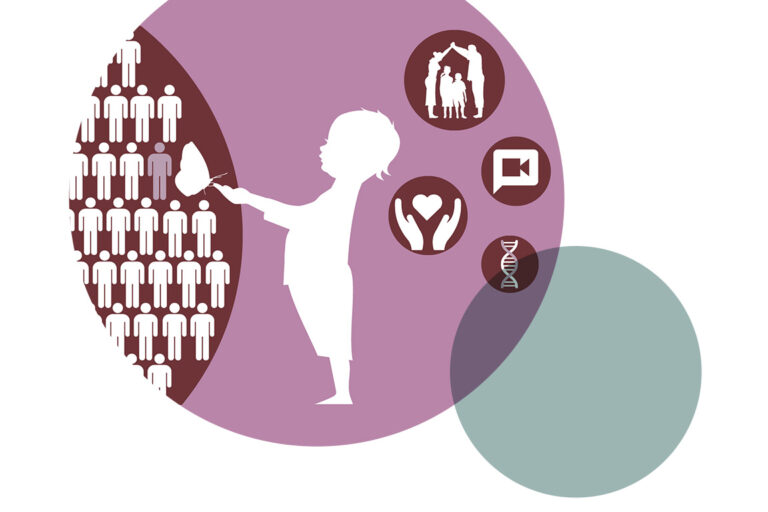
Currently, an estimated 300 to 400 million people worldwide are living with a rare disease. With an estimated 250-300 new rare diseases added to medical literature each year, the population is only growing. Yet 95% of rare diseases (in the United States) lack an FDA-approved treatment. Across the globe, financial issues prevent others from accessing their care. Collectively, the rare disease community is one of the largest populations in the world. So why are there not more options: for diagnosis, for research, for treatment?
At the heart of this lies a few problems. First, some rare disease populations are small and geographically scattered, which can make them hard to find and study; some patients may also remain underidentified. Many companies may not find drug development for such small populations to be profitable. And without the awareness, companies may struggle to connect with patients to hear and understand their lived experience.
While companies like Volv Global are working to improve research and diagnostics in the rare disease space, using data-driven AI to improve early detection for rare patients, and more doctors are becoming open to learning about rare conditions from patients, working collaboratively to expand understanding, there is more room to grow.
That’s where Rare Disease Day comes in. Rare Disease Day is designed to help build awareness around rare disease. This coordinated, patient-led movement calls on policymakers, shares stories, illuminates buildings, and campaigns for more attention paid to the rare disease community.
There are numerous ways to get involved (I’ll be heading to Washington D.C. to take part in the EveryLife Foundation’s Rare Disease Week on Capitol Hill!). You can:
- Share a post on social media—whether it’s your story or someone else’s.
- Participate in one of the many Rare Disease Day events going on around the world.
- Contact your physician, or your local hospital, to provide more information (or even offer training!) on your rare disease.
- Email your legislators to ask them to advance policy that will support the rare disease community.
- Donate to organizations making a difference in rare disease.
- Speak with your friends and family about your lived experience with rare diseases. Alternatively, you can contact your local news organizations to spread your story on a wider level.
- Write your story for submission to Rareatives—or work with an interviewer who can help get across the most important elements of your story.
No matter what you choose to do, remember that awareness is an act of love. Awareness is an act of service. And awareness is an act of care. So often, the rare disease community finds themselves fighting to be heard. By raising awareness, we can reinforce that everyone’s stories here deserve to be listened to. Because they do.
A Final Note to the Rare Disease Community
Raising awareness is not always easy. I understand this on a fundamental level. Telling your story can be exhausting. Feeling like you have to justify your situation, your needs, or your health can leave you drained.
I want you to remember that your story matters—but so do you. And at the end of the day, you are not your disease or your loved one’s disease. You are a full, loved, entirely worthy person. You don’t owe anyone your deepest struggles, and you can acknowledge difficulties without providing every detail.
Whether you’re ready to share your story on Rare Disease Day, or whether you’re simply starting to look for ways where you can help raise awareness, just remember that you are heard. You are seen. You are loved. And one day, we will change the future for rare diseases, hand in hand.
Frequently Asked Questions
What is Rare Disease Day?
Rare Disease Day is an international awareness campaign held annually to highlight the challenges faced by people living with rare diseases and to promote research, diagnosis, and support.
Why is rare disease awareness important?
Awareness helps improve recognition of rare conditions, reduce diagnostic delays, and encourage research and collaboration across healthcare systems.
How long does it typically take to diagnose a rare disease?
On average, patients can wait several years before receiving a correct diagnosis, often due to limited awareness and complex symptoms.
How can people support the rare disease community?
Individuals can raise awareness by sharing patient stories, supporting advocacy organisations, participating in awareness events, and engaging with policymakers and healthcare providers.
Rare Disease Day reminds us that progress begins with awareness, empathy, and collaboration. By listening to patient voices and sharing their experiences, the healthcare community can move closer to better diagnosis, research, and support for people living with rare diseases.
About Rareatives
Rareatives is a patient-led publication where the unique stories of the rare disease community become headline news. We’re flipping the script on rare diseases. Not just awareness — action. Your story could spark the next big change.
Rareatives is led by Jessica Lynn, a rare disease journalist who has been writing for over a decade, and centered on the rare community for the past six years. Following her own experiences with rare disease growing up in New Jersey, and meeting passionate advocates on the conference circuit, Jessica became committed to amplifying awareness through narratives. Jessica is a 3x conference speaker on the importance of storytelling for the rare disease community. When she is not writing about rare disease, Jessica enjoys reading, kayaking, and fossil-hunting at the beach.